Editable worksheet · TXTFirst-release brief
Define an audience, critical journey and acceptance check.
Preview worksheet
Project / owner / intended release:
Who is the first user, and what starts their task?
What does that person do today? Where do they hesitate?
What would a successful first release let them finish?
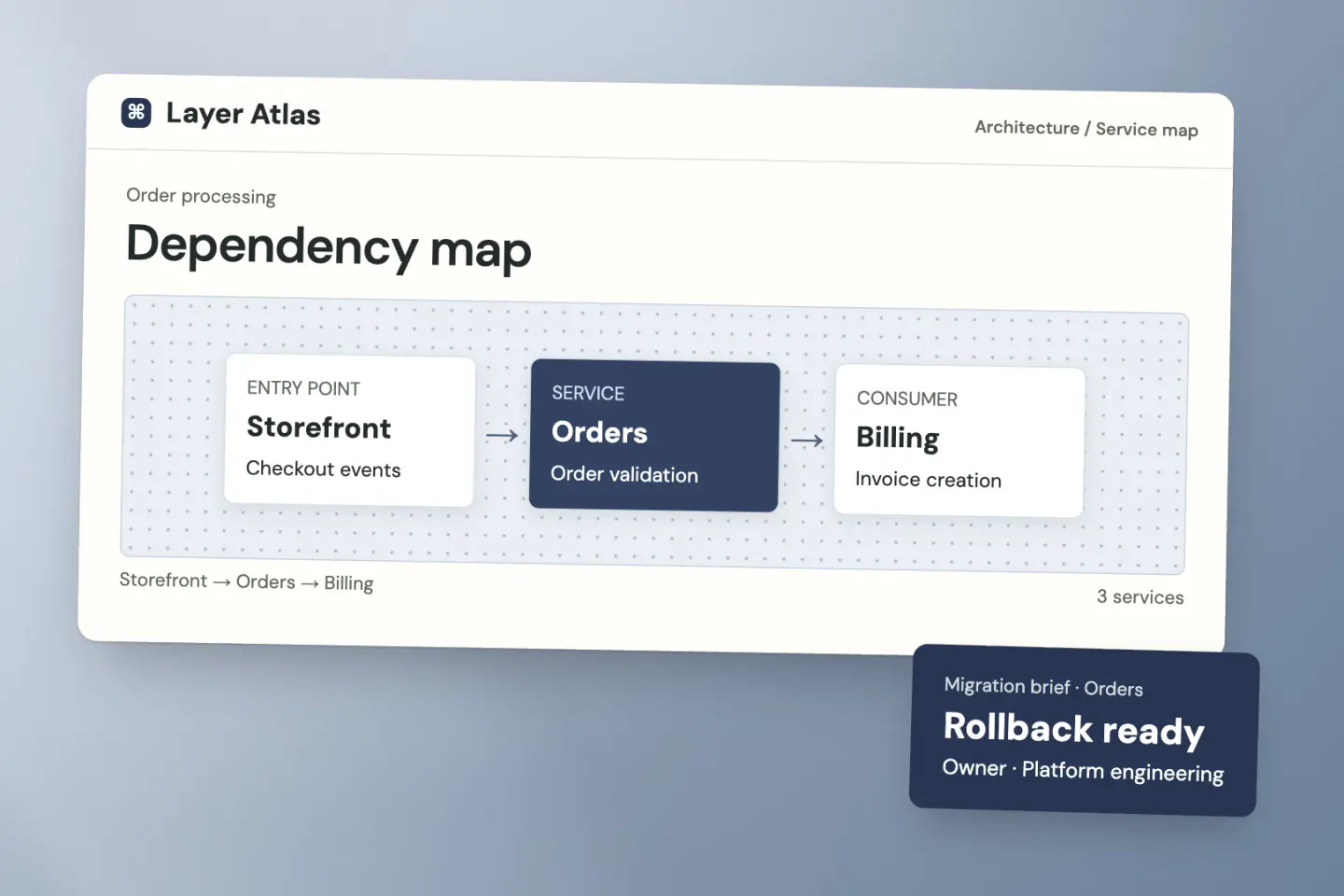
Which existing systems and records will the product depend on?
Which decisions belong to the user? Which belong to your team?
What happens when a dependency fails or the user returns later?
List the journeys in scope and the work to defer.
Acceptance example: Given ___, when ___, the user should see ___.
Who can accept the release? Who owns production support?
AI pilot evaluation sheet
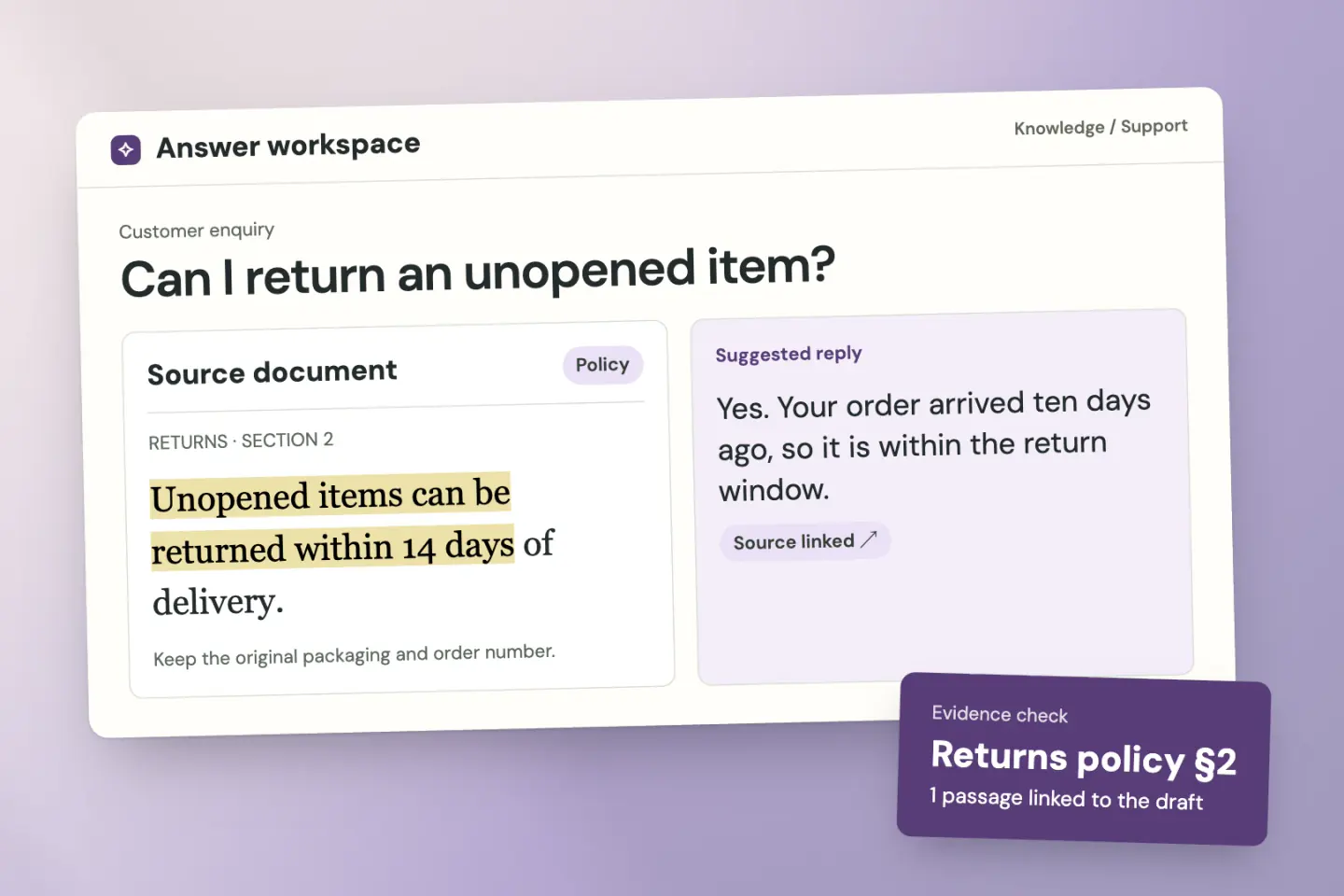
Capture expected answers, permitted sources and reviewer decisions.
Preview worksheet
Workflow / reviewer / model and source version:
Which records may the assistant access?
Describe the business decision and why a reviewer is needed.
For each representative request, record:
- Sample request and authorised source
- Expected answer or action
- Conditions requiring clarification or a handoff
- Actual result, cited evidence and reviewer notes
Test a normal case, conflicting sources, missing information and a timeout.
Which mistakes block launch? Who approves the decision to expand?
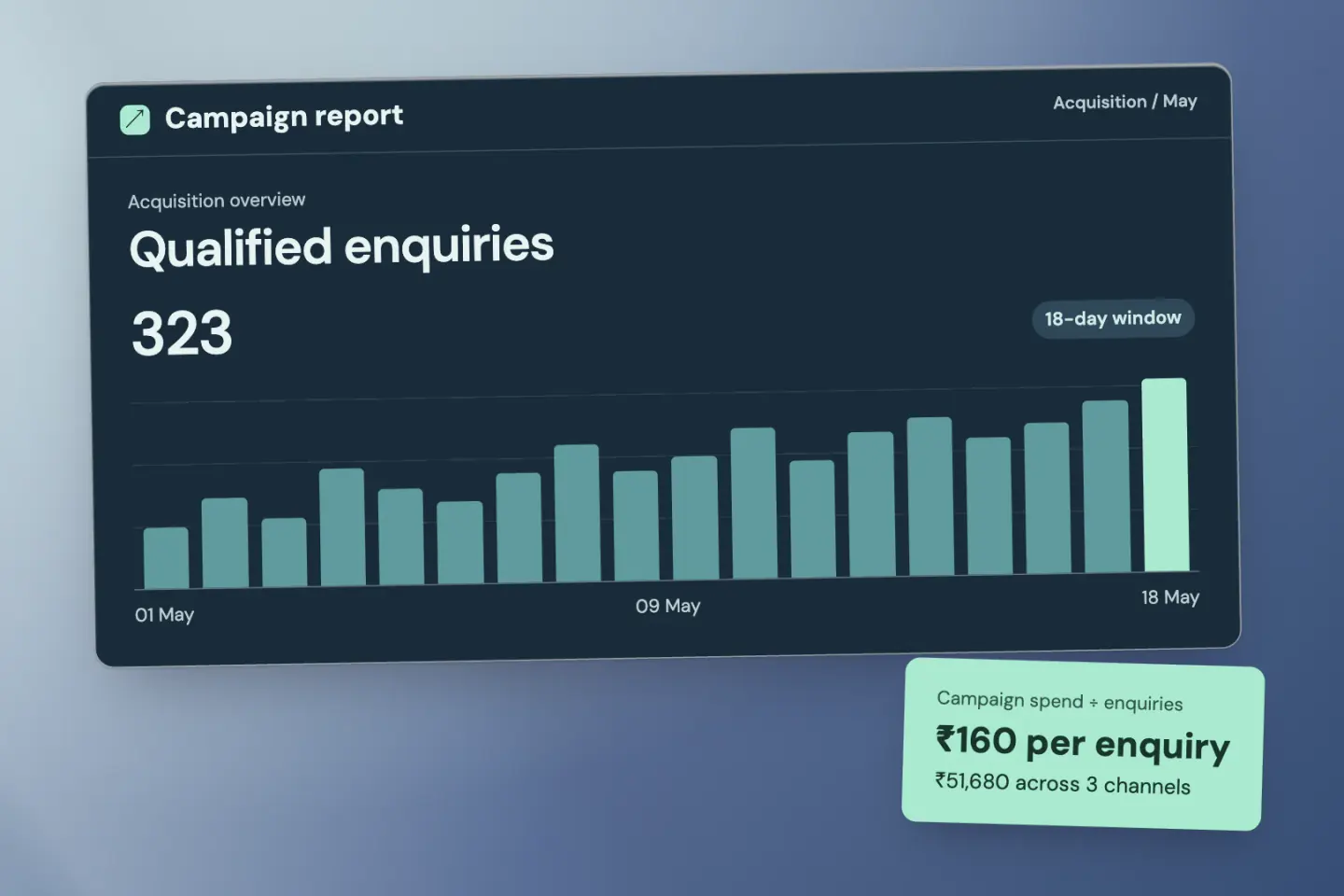
Campaign measurement brief
Trace an enquiry from a channel through qualification and sale.
Preview worksheet
Offer / audience / channel / reporting owner:
What qualifies an enquiry for sales?
Map each stage: visit, enquiry, qualification, accepted opportunity, sale.
Record event name, identifier, consent requirement and system owner.
Choose one attribution window and document its limitations.
Reconcile a sample of analytics conversions with sales records.
How will duplicates, rejected enquiries and refunds be counted?
What evidence would justify shifting the next portion of budget?


 Marketing
 Marketing
 Technology
 Technology